How to Tell If a Tree Is Dead or Dying
The 7 signs a tree is dead or dying
Trees don’t announce their decline with a neon sign. A tree can look healthy from 50 feet away and be significantly compromised at the root zone or in the core of the trunk. Here are seven signs that should prompt a closer look or a call for a professional assessment.
- Bare branches during the growing season. If it’s June in Knoxville and a significant portion of the canopy has no leaves, that section is dead. Normal dormancy ends by late March to early April for most deciduous species – bare branches in June are never normal.
- Bark falling off in sheets. When the cambium beneath the bark dies, the outer bark loses adhesion and sloughs off. Smooth, gray, featureless wood where bark has dropped is a reliable indicator the tree is dying in that area.
- Mushrooms or fungal conks at the base. Fruiting bodies at the base indicate internal wood decay that is typically far more extensive than what’s visible outside. This is a structural warning that requires professional assessment.
- Trunk cavities and visible cracks. A cavity combined with other signs, or one larger than roughly a third of the trunk circumference, warrants a structural assessment. Vertical cracks and shakes indicate active structural failure.
- A lean that has gotten worse. A new or worsening lean – especially after wind or a wet spring – indicates root failure or soil movement and is a meaningful risk.
- Soil heaving at the base. If the ground around the base is visibly lifted or cracked in a circular pattern, the root plate is rotating. This is a precursor to windthrow and should be treated as an emergency.
- The scratch test. Scrape a small section of bark on a twig. A living branch is green and slightly moist beneath; a dead branch is brown, tan, or gray and dry. Work from the tips inward.
Common East Tennessee tree killers
Hemlock woolly adelgid has devastated eastern hemlock populations. Emerald ash borer is killing the majority of ash trees in the region. Oak wilt causes rapid flagging and death, particularly in red oaks. Southern pine beetle attacks stressed pines. And storm damage creates compromised trees that fail in later weather events.
When a dying tree becomes urgent
The urgency escalates when the tree is within falling distance of a structure, vehicle, or gathering area; when it has a pronounced lean toward a target; when the species is known for brittle wood; or when storm season is approaching. Call (865) 500-6459 to schedule a free on-site assessment.
Ready to get started?
Call now or request your free, no-obligation estimate online.
Related Articles
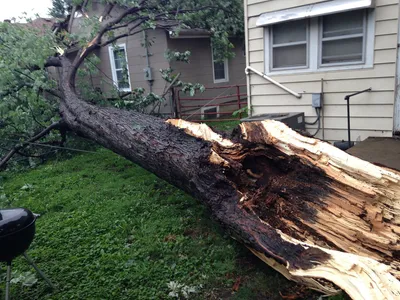
Dangerous Trees to Watch For in East Tennessee
Five tree species that fail more often in East Tennessee, and what to watch for on your property. Free assessments from licensed pros. Call (865) 500-6459.
Do You Need a Permit to Remove a Tree in Knoxville?
Most Knoxville homeowners don't need a permit to remove a yard tree. Street trees, big clearing jobs, stream banks, and Farragut are the exceptions to check.
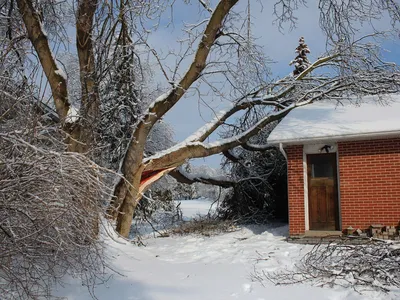
Does Homeowners Insurance Cover Tree Removal in Tennessee?
When does homeowners insurance pay for tree removal in TN? What's covered, what to document, and what's not. Free estimates. Call (865) 500-6459.
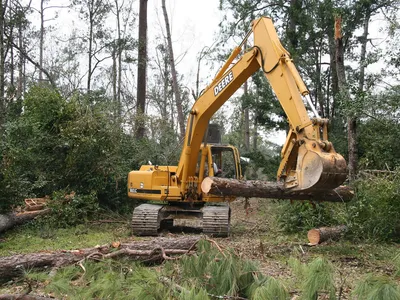
How Long Does Tree Removal Take?
Real tree removal timelines by size and complexity, plus how to plan your day around the work. Call (865) 500-6459 for a quote.
How Much Does Tree Removal Cost in Knoxville?
Real tree removal prices by size in Knoxville, TN: what drives your quote, ways to pay less, and the questions pros hear most. Call (865) 500-6459.